
Field Monitoring Services (FMS)
The Challenge: Bridging the Gaps in Post-Disbursement Monitoring
Post-disbursement monitoring is a crucial function for banks, non-banking financial companies (NBFCs), and other financial institutions (FIs). It ensures the appropriate end-use of funds, detects early signs of borrower distress, and maintains compliance with loan covenants. However, executing effective field monitoring poses several persistent challenges:
- Limited Field Monitoring Capacity:
- Inadequate availability of trained personnel for on-site verification
- High operational costs and logistical difficulties in reaching borrowers in remote or rural areas
- Incomplete Borrower Information:
- Absence of standardized reporting formats results in inconsistent and fragmented data
- Gaps in Risk Identification and Early Warning
- Lack of predictive analytics for early detection of financial stress or fund diversion
- Weak exception reporting mechanisms and insufficient red-flag systems
- Predominantly reactive monitoring practices hinder timely intervention.
- Regulatory and Compliance Pressures
- Increasing demands for thorough documentation and transparent audit trails challenge existing resources.
- Scalability and Customization Limitations:
- Existing tools often fail to scale with portfolio growth.
- Generic monitoring frameworks fall short in identifying borrower- or sector-specific risks
Connect, Transact, Engage
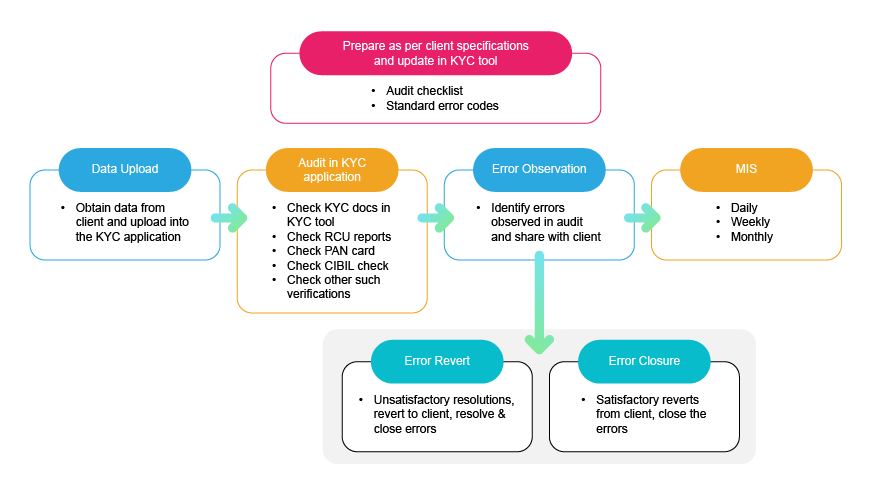
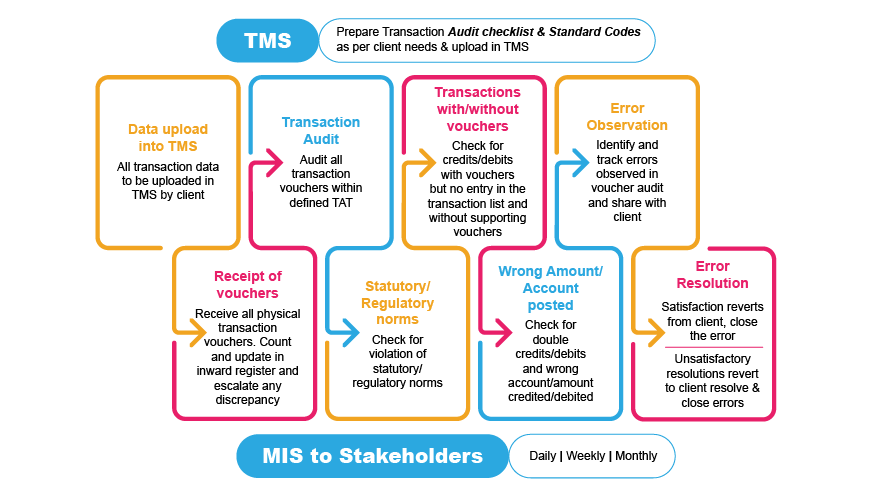
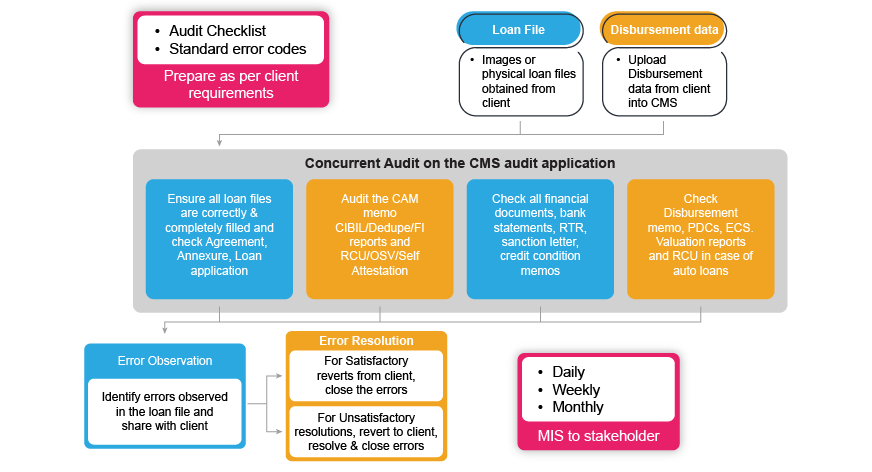
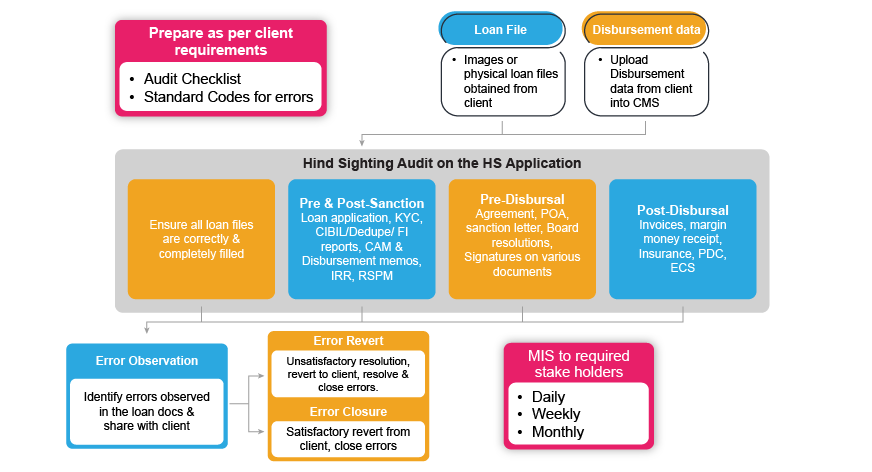
Centillion’s Field Monitoring Services (FMS) offers a seamless blend of advanced technology and experienced field personnel to transform how financial institutions manage post-disbursement monitoring. Combining a robust web/mobile application with on-the-ground expertise, FMS enables real-time, accurate, and comprehensive borrower assessments. Core Components of FMS are
- Digital Monitoring Platform: A mobile and web-based tool equipped with built-in audit checklists and standardized questionnaires.
- Trained Monitoring Professionals: Skilled field officials leverage the platform to identify irregularities, omissions, or malpractices during borrower site visits.
- Exception Management System: Observations are digitally captured, standardized, and subjected to a quality control process to ensure consistency and transparency in audit reporting.